0911 350 573 dr.tadelemulisa@gmail.com Mon-Sun: 8:00 AM - 8:00 PM
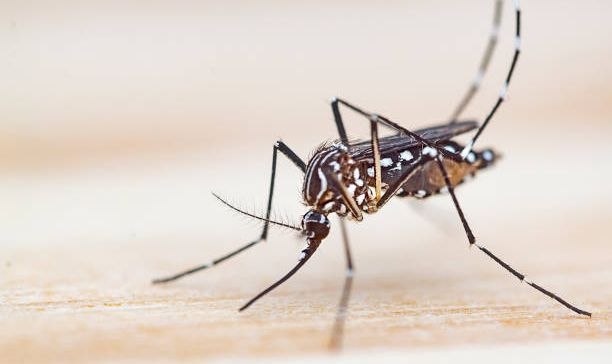
Complicated Malaria Guide Medical Guide

Complicated Malaria and Its Clinical Approach

Complicated malaria is a severe form of malaria infection (usually Plasmodium falciparum) associated with high morbidity and mortality. It requires early recognition, prompt treatment and supportive care to prevent death and complications.

Cause

  • Usually caused by Plasmodium falciparum (>95% of severe malaria cases)
  • P. vivax, P. ovale and P. malariae may rarely cause severe disease

Risk Factors

  • Children < 5 years
  • Pregnant women
  • Non-immune travelers
  • HIV infection
  • Malnutrition
  • Late presentation
  • High parasite load

WHO Criteria for Complicated (Severe) Malaria

  • Impaired consciousness
  • Prostration
  • Multiple convulsions
  • Severe anemia
  • Respiratory distress / Acidosis
  • Hypoglycemia
  • Renal impairment
  • Jaundice
  • Pulmonary edema / ARDS
  • Shock
  • Abnormal bleeding (DIC)
  • Hyperparasitemia

Immediate Management of Complicated Malaria

  • Admit to hospital (ICU if available)
  • Start Parenteral Artesunate ASAP (First line drug)
  • Treat hypoglycemia immediately (50 mL of 50% dextrose IV)
  • Control seizures (Diazepam / Lorazepam)
  • Manage fever (Paracetamol)
  • Maintain airway and oxygenation
  • Give IV fluids cautiously (avoid overload)
  • Monitor vital signs, urine output, GCS, RBS, Hb, electrolytes

Prevention

  • Use insecticide treated nets (ITN)
  • Indoor residual spraying
  • Eliminate mosquito breeding sites
  • Chemoprophylaxis for travelers
  • Early diagnosis and prompt treatment
  • Health education
Read Full Guide
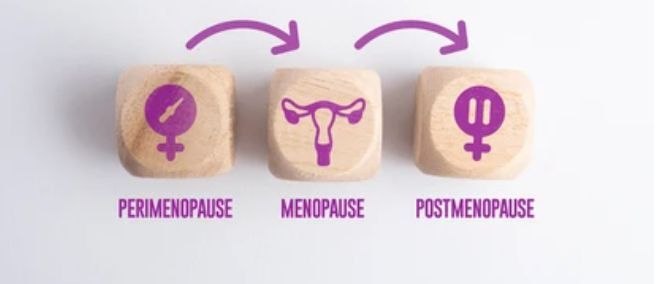
Post Menopause Syndrome Women's Health

Post Menopause Syndrome and Its Management

Post menopause syndrome (PMS) refers to the group of physical, psychological and genitourinary symptoms that occur after cessation of menstruation due to decline in estrogen levels, usually after 12 months of amenorrhea.

Common Symptoms

  • Hot flashes, night sweats
  • Vaginal dryness, itching, dyspareunia
  • Mood swings, irritability, anxiety
  • Sleep disturbances, fatigue
  • Memory and concentration problems
  • Urinary urgency or recurrent UTIs
  • Joint and muscle pain
  • Weight gain and abdominal fat
  • Reduced libido

Management Approach (Stepwise)

  • Conservative Management: Lifestyle changes, regular follow-up
  • Hormonal Therapy: Estrogen alone or Estrogen + Progestin
  • Non-Hormonal Pharmacologic Management: SSRIs, Gabapentin, Clonidine
  • Lifestyle Measures: Regular exercise, healthy diet, stress management

Key Messages

  • Menopause is a normal phase of life, not a disease
  • Early recognition and proper management improve quality of life
  • Lifestyle modification is the foundation of care
  • Treatment should be individualized
  • Regular follow up ensures safety and effectiveness of therapy
Read Full Guide
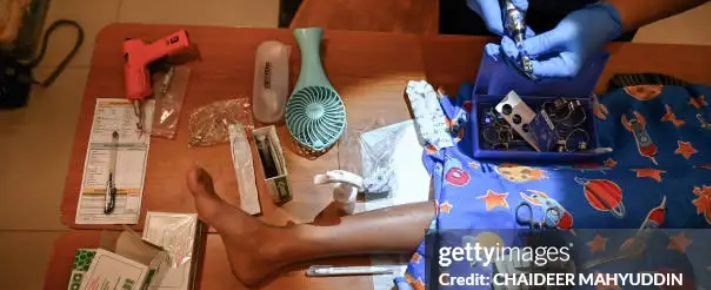
Male Circumcision Surgical Services

Male Circumcision - Benefits and Procedure

Circumcision is the surgical removal of the foreskin (prepuce) covering the glans penis. It is performed for medical, cultural, religious or personal health reasons.

Benefits of Circumcision

  • Reduces risk of urinary tract infections
  • Prevents phimosis and paraphimosis
  • Reduces risk of HIV and other STIs
  • Low risk of penile cancer
  • Easier hygiene

Types of Circumcision

  • Dorsal Slit Method: Foreskin is crushed at 12 o'clock position, a dorsal slit is made, and foreskin is excised
  • Sleeve Resection Method: Foreskin is separated from glans, measured, cut, and edges are sutured
  • Plastibell Method: Plastic ring is placed over the glans, foreskin is tied over the ring, falls off in 5-10 days

Aftercare Instructions

  • Keep the area clean and dry
  • Change dressing daily or if soiled
  • Apply antiseptic/antibiotic ointment as advised
  • Give prescribed pain relief (e.g., Paracetamol)
  • Avoid tight diapers or clothing

When to Seek Medical Care

  • Persistent bleeding
  • Fever or pus discharge
  • Severe pain or swelling
  • Plastibell not fallen off after 14 days
  • Difficulty in urination
Read Full Guide