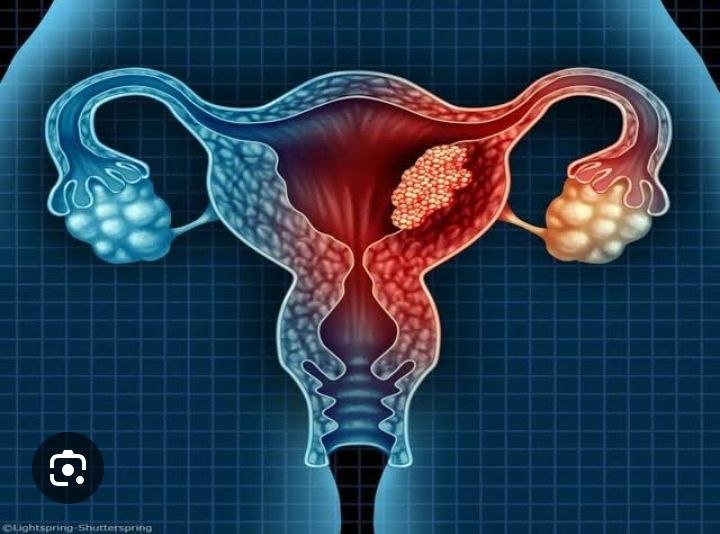
Overview
Post menopause syndrome (PMS) refers to the group of physical, psychological and genitourinary symptoms that occur after cessation of menstruation due to decline in estrogen levels, usually after 12 months of amenorrhea.
Definition
Post Menopause Syndrome is a collection of symptoms and health changes occurring after menopause that affect quality of life. It results from decreased estrogen and other hormonal changes.
Common Symptoms
Causes & Risk Factors
Evaluation
History
- Menstrual history
- Onset, duration & severity of symptoms
- Medical, surgical & family history
- Medications & lifestyle habits
Physical Examination
- General & systemic examination
- BP, BMI
- Breast & pelvic exam
Investigations (If indicated)
- CBC, FBS, Lipid profile
- Thyroid function test
- Serum calcium, Vitamin D
- BMD (bone mineral density)
- Urinalysis
- Pap smear & mammogram
Management Approach (Stepwise)
Assess Symptoms & Impact
Evaluate quality of life impact
Rule Out Other Causes
Thyroid disease, depression, anemia, etc.
Shared Decision Making
Discuss options with the patient
Conservative Management
Lifestyle changes, regular follow-up
Hormonal Therapy (If Indicated)
Estrogen alone or Estrogen + Progestin
Non-Hormonal Management
SSRIs, Gabapentin, Calcium + Vitamin D
Monitor & Follow Up
Regular check-ups, adjust treatment
Hormonal Therapy
Indications
- Moderate to severe vasomotor symptoms
- Vaginal atrophy with dyspareunia
- Prevention of osteoporosis in high risk women
Options
- Estrogen alone (for women without uterus)
- Estrogen + Progestin (for women with uterus)
- Routes: Oral | Transdermal patch | Gel | Topical vaginal cream/tablet
Contraindications
Non-Hormonal Management
Vasomotor Symptoms
SSRIs (Paroxetine, Venlafaxine), Gabapentin, Clonidine
Vaginal Dryness
Vaginal moisturizers, Lubricants, Vaginal DHEA, Osphena
Bone Health
Calcium + Vitamin D, Bisphosphonates, Denosumab (if osteoporotic)
Mood & Sleep
CBT, Antidepressants (if indicated)
Pain
NSAIDs, Paracetamol, Physiotherapy
Lifestyle & Non-Pharmacologic Measures
Regular Physical Activity
Weight bearing & aerobic exercises
Healthy Diet
Rich in calcium & Vitamin D
Maintain Healthy Weight
BMI within normal range
Stop Smoking
Limit alcohol consumption
Stress Management
Yoga, meditation, relaxation techniques
Adequate Sleep
Good sleep hygiene practices
When to Refer
- Persistent or severe symptoms despite treatment
- Abnormal vaginal bleeding
- Suspicion of malignancy
- Severe osteoporosis or fragility fractures
- Complex medical conditions needing specialist care
Monitoring & Follow Up
- Review symptoms & treatment response every 3–6 months
- Monitor BP, weight, BMI
- BMD every 1–2 years in high risk women
- Breast exam & Mammogram as per guideline
- Pelvic exam & Pap smear as per guideline
- Adjust treatment as needed
Need Help Managing Menopause Symptoms?
Visit ODAA Medium Clinic for personalized care and treatment options.