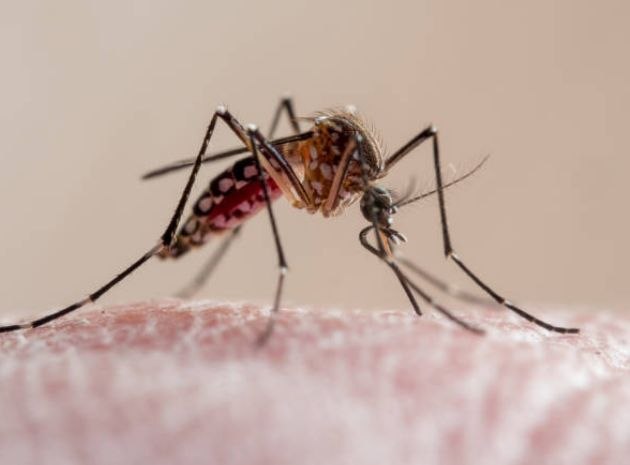
Overview
Complicated malaria is a severe form of malaria infection (usually Plasmodium falciparum) associated with high morbidity and mortality. It requires early recognition, prompt treatment and supportive care to prevent death and complications.
Cause
- Usually caused by Plasmodium falciparum (>95% of severe malaria cases)
- P. vivax, P. ovale and P. malariae may rarely cause severe disease
Risk Factors
Clinical Presentation
- Fever with or without chills
- Headache, malaise, body ache
- Nausea, vomiting, abdominal pain
- May progress to severe disease with organ dysfunction
Warning Signs
WHO Criteria for Complicated (Severe) Malaria
Immediate Management of Complicated Malaria
Admit to Hospital
ICU if available, for close monitoring
Start Parenteral Artesunate
First line drug - ASAP
Treat Hypoglycemia
50 mL of 50% dextrose IV immediately
Control Seizures
Diazepam / Lorazepam as needed
Manage Fever
Paracetamol for temperature control
Maintain Airway
Ensure oxygenation and airway patency
IV Fluids Cautiously
Avoid fluid overload
Monitor Vital Signs
Urine output, GCS, RBS, Hb, electrolytes
Pharmacologic Treatment
First Line: Parenteral Antimalarial
Artesunate (Preferred)
2.4 mg/kg IV at 0, 12, 24 hours
Then continue with full course of ACT
Artemether (Alternative)
3.2 mg/kg IM at 0, 12, 24 hours
Then continue with ACT
Do not give in same syringe with other drugs
Alternative (If Artesunate Not Available)
Quinine IV Infusion
Loading dose: 20 mg/kg quinine (10 mg/kg quinine IV over 4 hours)
Then 10 mg/kg quinine (5 mg/kg quinine) every 8 hours until able to take oral
Then complete 7 days with oral quinine
Clindamycin
10 mg/kg IV (Children < 8 years / Pregnancy)
Investigations
- Malaria RDT / Peripheral smear
- CBC with platelets
- Urea, Creatinine, Electrolytes
- Liver function tests
- Blood gas (if available)
- Urinalysis
- Blood culture (if febrile/septic)
- Chest X-ray (if respiratory signs)
Monitoring
- Vital signs 2–4 hourly
- GCS (Glasgow Coma Scale)
- RBS 4–6 hourly
- Urine output hourly
- Hb, Creatinine, Electrolytes daily
- Parasite clearance on day 2, 3 and 6
Possible Complications
Prevention
Concerned About Malaria?
If you or a loved one are experiencing symptoms, visit ODAA Medium Clinic for prompt diagnosis and treatment.